

Roots blower applications in oil and gas industry include different equipment categories that must be kept distinct. Clean-air service, dry-bulk conveying and hydrocarbon or sour-gas handling place different demands on sealing, materials, filtration, controls and safety systems. Oil and gas facilities contain numerous air, vacuum and low-pressure process-gas duties.
For detailed technical articles, click here.
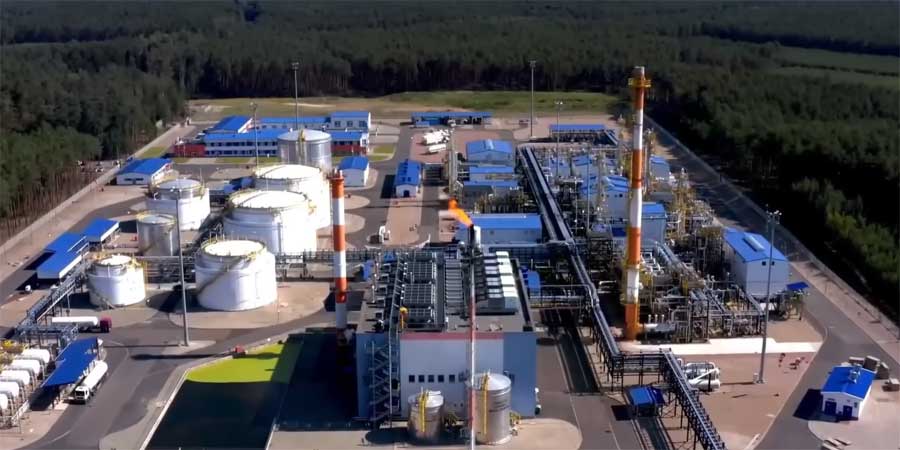
Roots blowers can serve selected applications where high volume and relatively modest pressure rise or vacuum are required. Clean-air duties can often use a conventional oil-free-path roots blower package. Hydrocarbon, sour-gas and vapor-recovery duties require specially engineered gas-tight rotary-lobe equipment. These two equipment categories should not be confused. The operating basis should be checked at the process connections and across the expected operating range before a machine is selected.
Application Types and Equipment Boundaries
Roots blowers can serve selected mill duties such as sheet dewatering and transfer, externally aerated deinking flotation, wastewater aeration, dry additive conveying, and ash handling. Each application has its own airflow, pressure, and moisture-separation requirements. The required blower construction depends on whether the machine handles atmospheric air or process gas. Roots blowers are positive-displacement machines intended for comparatively modest pressure ratios. They should not automatically be specified for high-pressure natural-gas transmission, gas reinjection, and high-pressure gas gathering. These duties normally require equipment designed for much higher compression ratios. A specially designed gas-tight roots blower can increase the pressure of compatible gas streams where Inlet pressure is low. Required pressure rise is modest. Flow is comparatively stable. The blower should not be selected from air-performance data alone because gas density and composition affect capacity, power and temperature. Hydrocarbon vapor can be displaced from storage tanks during tank filling, product heating, and pressure variation. A vapor-recovery system collects this gas and directs it toward recovery, treatment or controlled combustion. A gas-tight rotary-lobe blower may move the vapor where the required vacuum and discharge pressure remain within its approved range.
Application screening should separate clean-air duties from process-gas service at the start. Clean air can support selected low-pressure process users, sulfur-recovery combustion air, wastewater aeration or dry-bulk conveying, subject to model data. Hydrocarbon vapor, flare gas, associated gas and fuel gas require a gas-tight configuration designed for the actual stream. The sealing, materials, instruments, drainage and relief path may differ substantially from an air package. A list of possible industry uses is only a screening guide; it does not establish that a particular model is approved for a process. A process-gas enquiry should include full composition, inlet and discharge pressure, required flow, temperature, expected liquid and solids content, condensation conditions, operating cycle and site classification. It should also define seal leakage, purge, relief destination, gas detection and shutdown philosophy. The supplier needs to confirm materials and seals against that data in writing. For clean-air and conveying duties, the RFQ should state the air reference basis, route and receiver losses. Keep process-performance guarantees separate from machine performance so responsibility for gas conditioning, solids handling and downstream treatment is clear.
When readings change, compare the operating data associated with clean-air and process-gas duties against the original baseline. Review stream composition, pressure ratio, temperature, contamination and sealing together with filter loading, valve position and process demand. If pressure rises while flow falls, investigate resistance or increased load; if both pressure and motor load fall, check speed, leakage or feed conditions. Confirm the process state before drawing a conclusion, since a grade change, gas-composition shift or different transfer route can move the operating point. Apply only the diagnostic pattern that fits the measurements, and keep protective trips active. The review should account for the fact that a standard air package does not establish hydrocarbon compatibility. Recording the cause and corrective action gives later shifts a practical reference and helps show whether the same issue is recurring or whether a new process condition is responsible. Check instrument calibration and compare readings at the blower with those near the process connection before dismantling the machine. A change that appears at only one point usually directs attention to an intervening component or branch. Restart only after the initiating condition has been understood and the approved protection is available.
Process Gas and Dry-Bulk Duties
Flare systems safely dispose of excess process gas during normal vents, start-up, shutdown and emergencies. A recovery system can collect part of the continuous low-pressure gas that would otherwise be burned. The recovery unit must never prevent the flare from performing its safety function. If gas generation exceeds recovery capacity, excess gas must continue to the flare without dangerous header pressure. As reservoir pressure declines, some wells may no longer deliver gas effectively into a gathering network. Low-pressure boosting can potentially recover additional gas, but required discharge pressure must be checked carefully. Many wellhead duties exceed the practical range of a roots blower and require a screw or reciprocating compressor. Roots technology is relevant only to compatible low-pressure-ratio duties. Sulfur-recovery units require controlled combustion air for reactions involving hydrogen sulfide. The blower handles atmospheric air, not sour gas. Reliability and airflow control are important because incorrect air delivery affects reaction chemistry and sulfur recovery. A non-return arrangement should prevent process gas from flowing backward toward the blower. Drilling and well-construction operations use dry powders such as cement, barite, and bentonite. Roots blowers can provide clean conveying air for pneumatic transfer between supply vessels, storage silos and preparation systems.
Pressure ratio, gas density and flow variation determine whether a rotary-lobe machine can fit a gas-boosting duty. The project should compare normal and maximum differential pressure with the selected model’s continuous limits for speed, absorbed power and discharge temperature. Gas composition affects those values, and liquids, sand, scale or treatment chemicals can damage or foul the machine. Condition the gas as required and include separators, filters, drains and monitoring in the package scope. If the required pressure is beyond verified limits, select another equipment category rather than treating the blower as a general compressor. Industry-level application lists are useful for screening but do not replace a duty review. Clean air for aeration, conveying air for drilling powders and process gas from an oil or gas stream each require a distinct package boundary. A standard air blower should not be presumed suitable for hydrocarbon or sour-gas duty, and a gas-tight machine still requires compatible materials, seals, separation and control. The project should identify the exact stream and operating conditions before requesting a quotation. That simple distinction prevents a broad industry description from overstating the verified scope of a particular product.
A repeatable operating record for dry-bulk transfer on drilling sites should pair design inputs with the measured process state. Document material properties, hose route, elevation, feeder and silo filter resistance in the duty file, then note which values are measured continuously and which are confirmed during inspection. Keep filter condition, valve position and production state with the record so later comparisons do not mix unlike runs. Material identity and route are design facts; pressure, temperature and motor load are operating readings, and the two should not be confused. A gradual change can point to fouling, leakage, deposits or altered demand, while a sudden shift calls for the approved alarm response. The key risk is that air flow data do not guarantee powder conveying capacity. Operators can compare like-for-like conditions before changing speed, opening the system or replacing a component, and the record gives the next shift a clear starting point. Where a sample or gas composition can vary, attach it to the relevant run instead of assuming one reference remains valid. Assign responsibility for updating the baseline when the approved operating envelope changes.
Selection and Package Engineering
Hydrocarbon gas can contain methane, heavier hydrocarbons, and hydrogen. Complete gas analysis is essential before machine selection. A process-gas package may require gas-tight shaft seals, seal-gas system, and gas-compatible gaskets. A standard air blower does not automatically include these features. The enquiry should specify exact application, complete gas composition, and inlet and discharge pressure. Roots blower can evaluate clean-air and low-pressure gas duties separately. Hydrocarbon service should be offered only with a machine configuration verified for the actual gas. Dry materials used in drilling operations create a separate system boundary. Cement, barite, bentonite and additives can differ in bulk density, abrasiveness and moisture sensitivity. The conveying route includes vessel hoses, elevation, bends, feeder or pressure tank, destination silo and vent filter. Marine humidity and movement may affect offshore installations, while onshore systems may use trailers or rail unloading. Verify solids capacity with the actual powder and route; the blower supplier’s air curve cannot guarantee how a particular material will feed or travel through a line.
Commissioning should verify written boundary for process service under a representative operating case. Confirm gas analysis, seal requirements, relief route, hazardous area and controls in the design basis, then record actual flow, pressure or vacuum, temperature, speed and motor load at agreed instrument points. Note the material or gas and the filter status used during the check. Where the load varies, test the normal point and the credible high-demand case rather than extrapolating from a single condition. Use the results to establish operating limits, alarms and restart conditions within the selected model’s documented envelope. Because specialist gas service needs exact written model verification, acceptance should include a system check beyond the blower connections. Assign responsibility for the process result separately from the machine measurements when several suppliers contribute, and preserve the test conditions with the final record. Confirm that instruments are calibrated and that the stated reference conditions are used when flow is compared. If a limiting test case cannot be reproduced, record the restriction and the operating range that has actually been verified.
Glossary
Associated Gas: Raw natural gas produced as a byproduct during crude oil extraction, which can potentially be gathered and boosted by low-pressure rotary-lobe blowers rather than being wasted or flared.
Drilling Powders (Dry-Bulk): Heavy, highly abrasive dry minerals—such as barite, bentonite, and cement—used extensively in well construction, pneumatically conveyed between silos and preparation systems using clean-air blower packages.
Flare Gas Recovery: The environmentally and economically driven process of capturing continuous, low-pressure combustible process gases that would otherwise be routinely burned off, without compromising the flare system’s critical emergency venting function.
Gas-Tight Configuration: An essential mechanical design for blowers handling hydrocarbons or toxic gases, incorporating completely sealed casing joints, gas-compatible gaskets, and mechanical shaft seals to guarantee zero leakage into the plant environment.
Low-Pressure Boosting: The application of roots blowers to incrementally increase the pressure of compatible gas streams from declining wellheads or gathering networks, strictly limited to duties that remain within the blower’s verified thermal and mechanical capabilities.
Pressure Ratio: The proportional difference between a blower’s discharge pressure and its inlet pressure; Roots rotary-lobe blowers are limited to modest pressure ratios and are fundamentally unsuited for high-pressure natural-gas transmission or well reinjection.
Seal-Gas System: An auxiliary safety and containment mechanism that continuously supplies a clean, compatible buffer gas to the blower’s mechanical shaft seals, ensuring toxic or flammable process gases cannot escape along the rotating shafts.
Sour-Gas Handling: The highly hazardous process of moving natural gas that contains significant amounts of toxic hydrogen sulfide (H₂S), strictly requiring specialized, gas-tight Roots blowers rather than standard air packages.
Sulfur-Recovery Units (SRU): Petrochemical processing facilities that extract elemental sulfur from hydrogen sulfide; they require Roots blowers strictly for delivering precise volumes of clean atmospheric combustion air (not process gas) to control the chemical reaction.
Vapor-Recovery System: A specialized gas-handling system designed to safely collect and redirect volatile hydrocarbon vapors displaced from storage tanks during product filling, thermal expansion, or pressure variations, preventing their release into the atmosphere.